Nedbank’s Fashion Accelerator will help turn 20 SMEs into commercially-ready suppliers
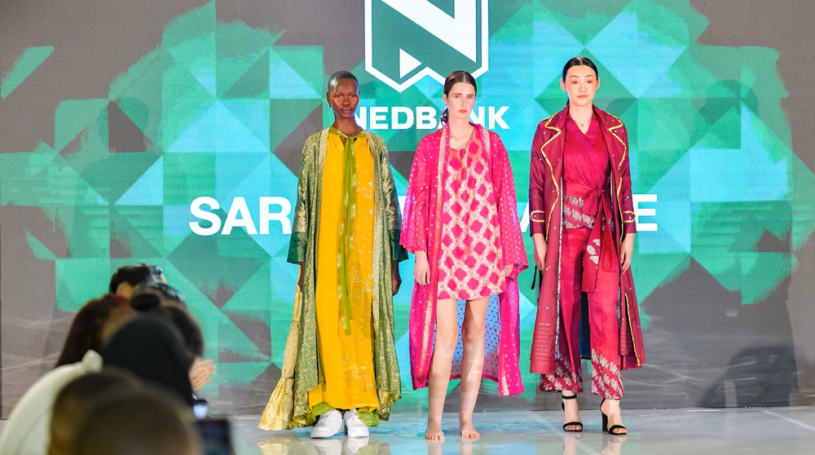
The Cape Town International Convention Centre recently played host to one of the most significant gatherings on the local fashion calendar, All Fashion Sourcing 2026.
And if you thought it was just another event showcasing pretty clothes and clever design, you'd have missed the real story unfolding on the exhibition floor.
Yes, the garments were stunning. The furniture, décor and accessories were testament to a wave of creativity that continues to put South Africa on the global style map.
But what had the industry talking was not merely the product. It was the transformation happening behind it.
That transformation took centre stage as Nedbank officially launched its Fashion & Clothing Market Access Accelerator, delivered in partnership with enterprise development specialists Fetola.
Turning creativity into commercial opportunity
It is, in essence, a buyer-led, circular-economy-aligned pathway designed to take high-potential fashion and clothing small and medium enterprises (SMEs) and convert them into commercially-ready suppliers with access to formal retail, procurement and export markets.
"The true value of waste is not what it was. It's what it can become," Maluta Netshaulu, head of Social Impact portfolio development at Nedbank, said at the launch.
The true value of waste is not what it was. It's what it can become - Maluta Netshaulu, head of Social Impact portfolio development at Nedbank
And that is precisely the philosophy underpinning the new programme.
It is no secret that South Africa's fashion SMEs have long been locked out of formal retail and export opportunities, not due to a lack of talent, but due to systemic market failures.
The country has a large, under utilised textile manufacturing base alongside a vibrant but structurally constrained SME fashion sector.
While installed capacity is high, utilisation remains consistently below 60%, signalling a major opportunity for localisation and job creation. The accelerator aims to bridge that chasm by offering a comprehensive package of support, including enterprise development, skills transfer, market access and, crucially, access to finance through the newly capitalised Creatives Fund.
The programme will support 20 early-stage SMEs, helping them navigate the complexities of formal retail and procurement supply chains.
Netshaulu believes fashion has the power to build more than trends as it can build businesses, jobs and a more sustainable future.
"To date, through this accelerator, we have upskilled 240 young people, launched 44 youth businesses and recycled over 900 tonnes of waste.
This truly highlights how today's waste can become tomorrow's opportunities, and impact livelihoods as a result," he says.
"This is why, at Nedbank, helping entrepreneurs in this vital sector move from creativity to commercialisation, and from potential to opportunity, is a crucial task for our business."
Building a circular fashion economy
That value is being measured not just in economic terms. For every rand invested by Nedbank's Social Impact Unit, the accelerator is projected to generate approximately R7 in social and economic value, underlining the bank's commitment to its Green Economy strategy.
And it is a commitment that was on full display at the Nedbank-sponsored Celebration of Fashion dinner, where guests were treated to a showcase of designers who are redefining what it means to be sustainable.
From upcycled leather to solar powered dyeing processes, the work on display challenged everyone present to see beyond materials and recognise their potential to become products, businesses, jobs and opportunities.
"This is not just about sponsorship, it is about curating an experience that celebrates the growing impact Nedbank is making in the world of fashion within South Africa," Netshaulu says.
"We are creating a platform where conversations inspire connection, community and the overall sustainability of the circular economy."
The accelerator will now accept applications from aspiring fashion and clothing entrepreneurs who are ready to scale.
A distinguished panel of industry experts will select the cohort, who will then embark on a transformative journey designed to unlock their commercial potential while contributing to a greener, more inclusive economy. It seems the future of South African fashion is not just something we wear. It is something we build.
This article was sponsored by Nedbank.