
Five of the best books about the World Cup
Photograph: Eyevine
EVERY FOUR years, the men’s FIFA World Cup whips up football fans into a frenzy. YouGov, a pollster, reckons that 42% of adults worldwide—some 2.6bn people—will follow the tournament this year. (And that’s not counting the millions of tots who collect and trade stickers, cuddle national mascots and proudly sport the kit.) This time, there will be more countries competing, more matches and more elation and heartbreak than ever before. Whether you’re a passionate fan or a bemused onlooker, these books chronicle the growth of the beautiful game—while noting the sport’s darker aspects.
Among the Thugs. By Bill Buford. Vintage; 320 pages; $19. Arrow; 336 pages; £11.99
For decades football was sullied by hooliganism. In 1985 the Sunday Times, a British newspaper, decried “a slum sport played in slum stadiums increasingly watched by slum people”. In “Among the Thugs” an American journalist follows a group of lager-gargling, bottle-throwing Manchester United fans, who travel to Sardinia for the World Cup in 1990. The author does not shrink from describing their brutality, but he does not depict them as caricatures either. Read this, then watch the spectacle in America, Canada and Mexico, and you will see how much football culture has changed in a generation.
The Fall of the House of FIFA. By David Conn. Bold Type Books; 336 pages; $38. Yellow Jersey; £10.99
One of the stories of the World Cup this year has been FIFA’s determination to wring every last dollar from fans, with astronomical prices for tickets. The governing body and its members have a long history of greed. In 2015 FIFA’s Swiss headquarters were raided by police and a swathe of executives were charged with fraud. “The Fall of the House of FIFA” is a comprehensive history of how a group of administrators abused their positions at the heart of football for personal gain.
Photograph: Reuters
The Long Game. By Leander Schaerlaeckens. Viking; 384 pages; $33
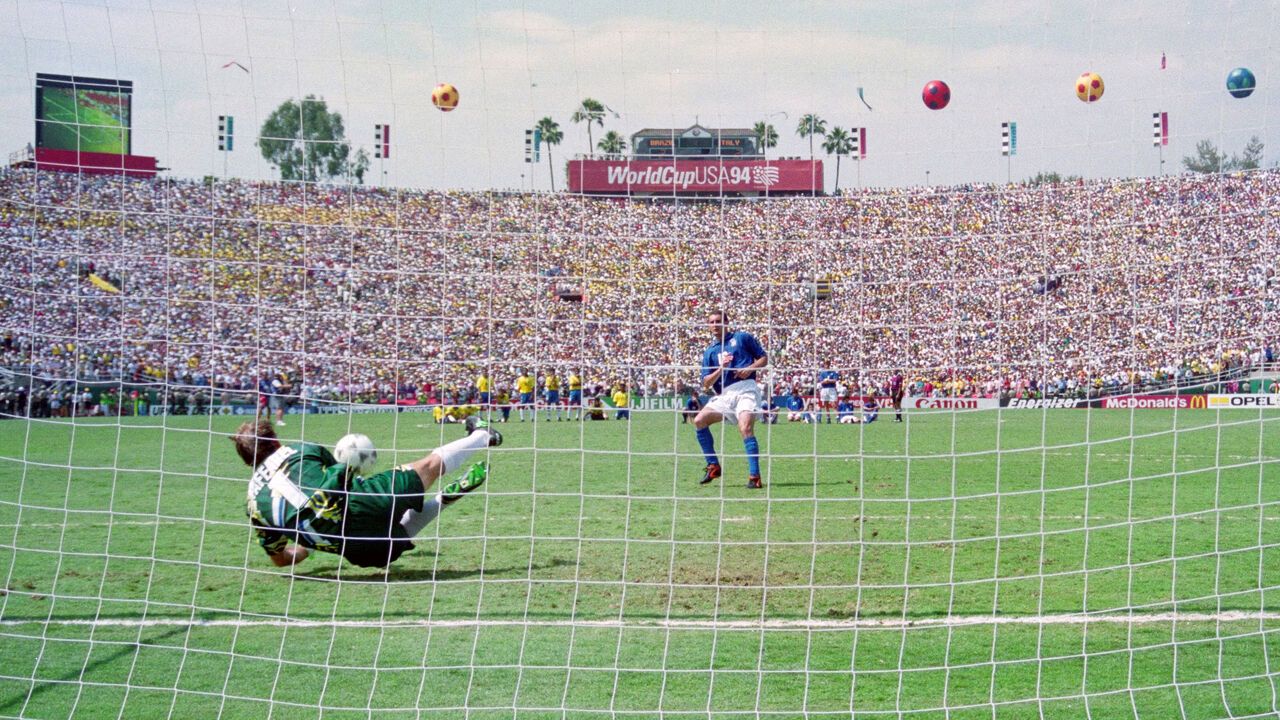
When FIFA chose America—a country without a rich domestic football culture—to host the World Cup in 1994, they changed the sport for ever. “The Long Game” describes the legacy of that tournament. Major League Soccer now attracts talent from all over the world, and the best American players are scouted by top European clubs. The success of the tournament in 1994 also encouraged FIFA to take the World Cup to East Asia, sub-Saharan Africa and the Middle East.
The Power and the Glory. By Jonathan Wilson. Bold Type Books; 576 pages; $35. Abacus; £25
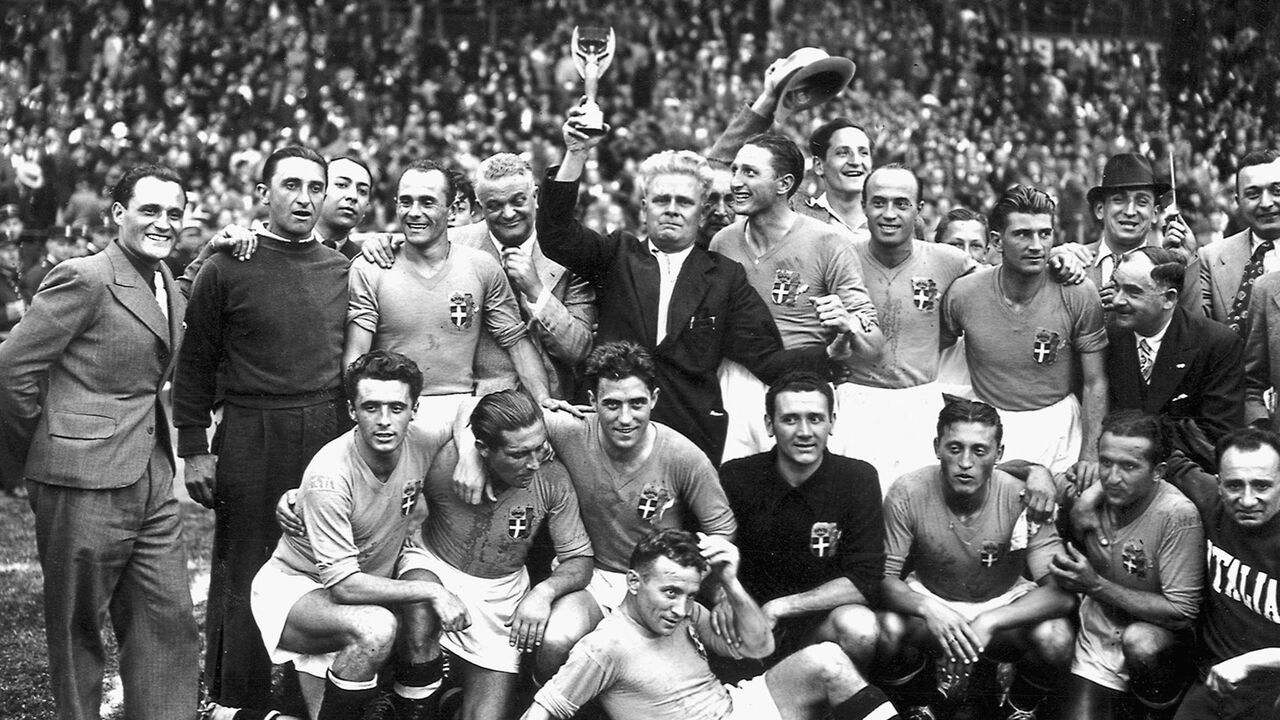
This book is the best single-volume history of the World Cup. Jonathan Wilson, who has written more than a dozen books about football in 20 years, devotes a chapter to each of the 22 tournaments, giving equal space to memorable editions (such as Italy 1990) as well as ones that football would rather forget (including Argentina 1978, which was co-opted by the country’s brutal junta). Its characters—such as Vittorio Pozzo (pictured below), still the only coach to have won the tournament twice—are sharply drawn.
Photograph: Getty Images
The Soccer War. By Ryszard Kapuscinski. Vintage; 240 pages; $19. Granta; £9.99
The tournament has long been entwined with politics. (Benito Mussolini wanted Italy to host the World Cup in 1934 so that the fascist state could project an image of strength, for example.) Occasionally it has increased geopolitical tensions. In 1969, during the qualifying matches, El Salvador came up against Honduras. The two countries were already at loggerheads in a land dispute; when El Salvador won the game, the situation escalated into four days of warfare. A Polish foreign correspondent, Ryszard Kapuscinski, made it to Honduras as the bullets began to fly. His account of the conflict, the title essay in this collection, is a nerve-shredding read.